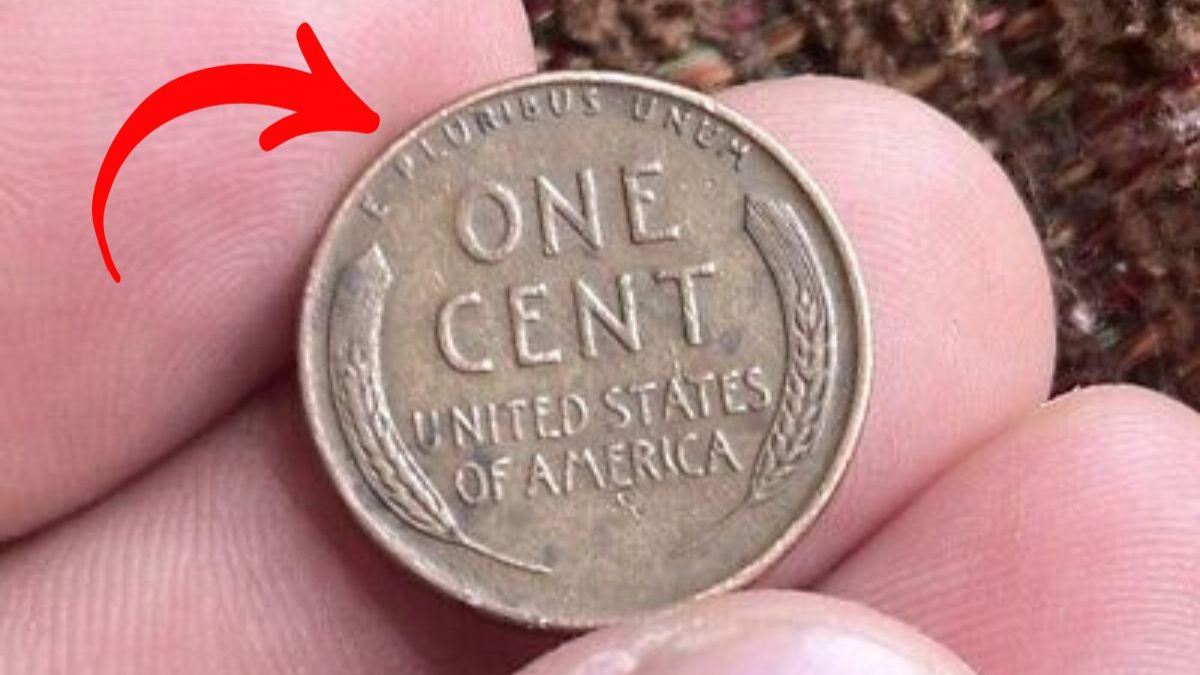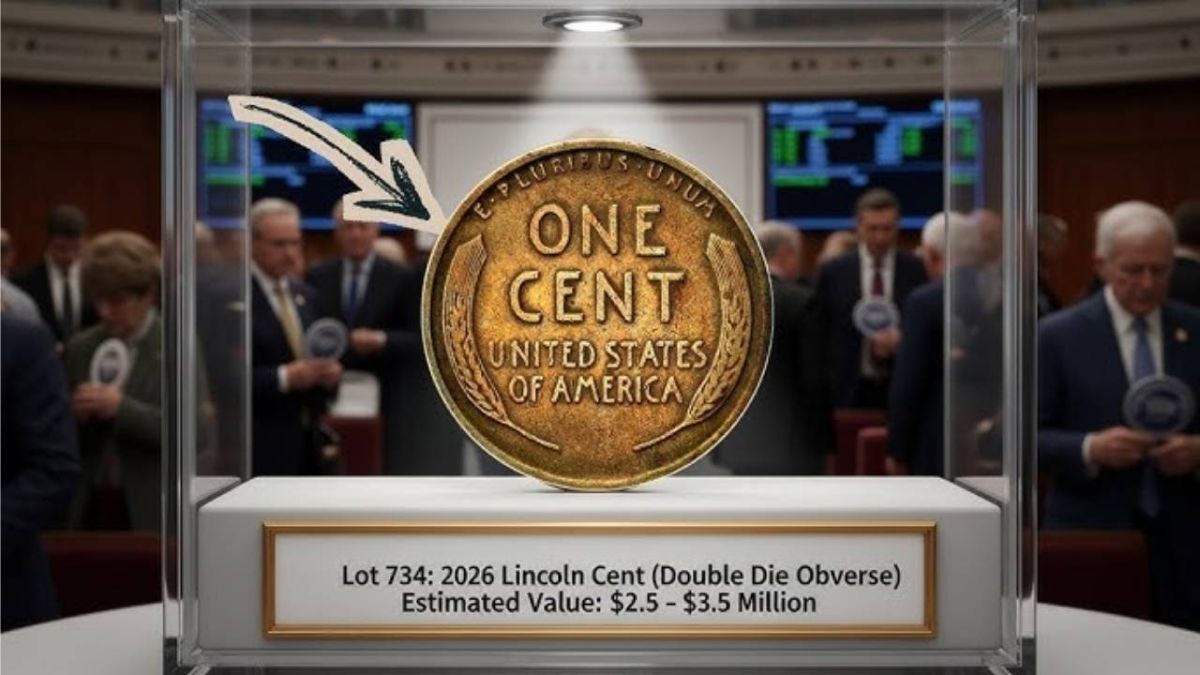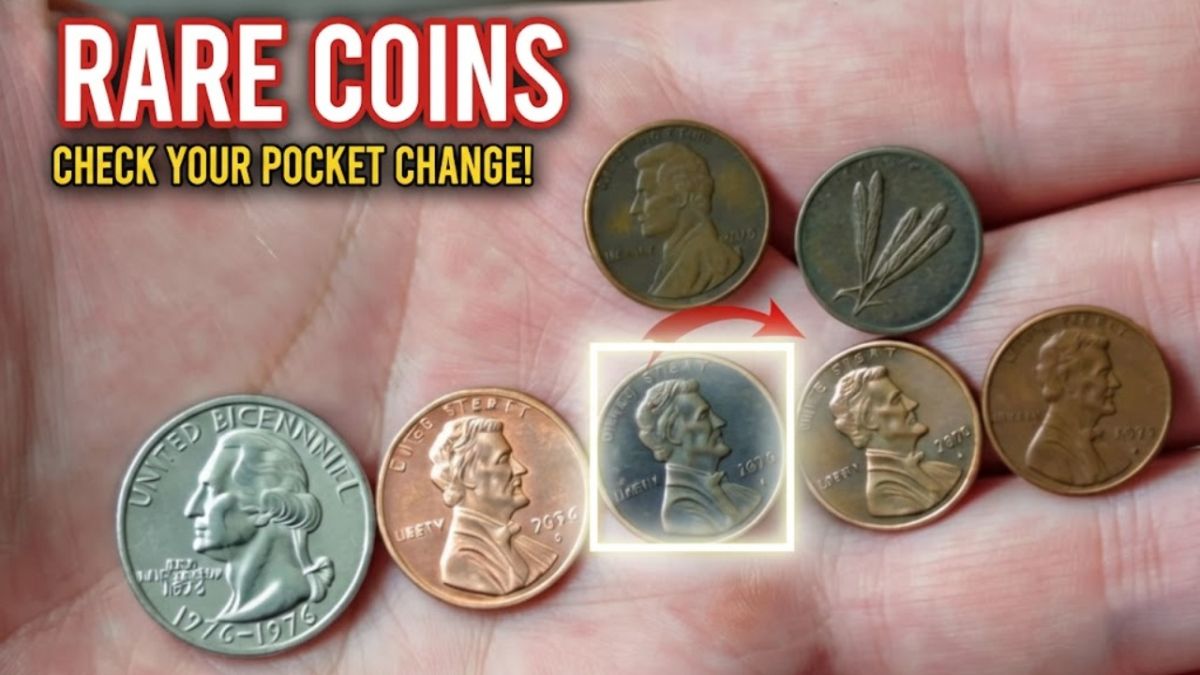
Wheat pennies, minted between 1909 and 1958, are among the most beloved coins in American history. Their distinctive reverse design, featuring two wheat stalks framing the denomination, has made them instantly recognizable. Over the past decade, interest in wheat pennies has grown steadily. Collectors and investors are drawn not only to their historical significance but also to their rarity, craftsmanship, and potential for financial appreciation. Understanding the trends of wheat penny values over the last ten years can help collectors make informed choices and appreciate the enduring charm of these coins.
Historical Importance of Wheat Pennies
The wheat penny was first issued in 1909 to commemorate the centennial of Abraham Lincoln’s birth. It was the first circulating U.S. coin to feature a real person, designed by Victor David Brenner. Beyond its aesthetic appeal, the coin represents a tangible piece of early twentieth-century America. For collectors, wheat pennies are more than currency—they are historical artifacts that tell the story of the nation’s past. This connection to history has kept demand for these coins strong, even as other series have faded in popularity.
Market Trends From 2015 to 2025
Looking at wheat penny values over the past ten years, it is clear that the market has generally trended upward. Common-date coins in circulated condition have remained inexpensive, often selling for a few cents to a dollar. However, rare varieties and high-grade examples have appreciated significantly. Auction records reveal that collectors are willing to pay premiums for coins with original luster, sharp details, and minimal wear. The growth of online marketplaces has also widened access to these coins, allowing buyers from around the world to participate in auctions and trade, which has further fueled demand.
Key Factors Affecting Value
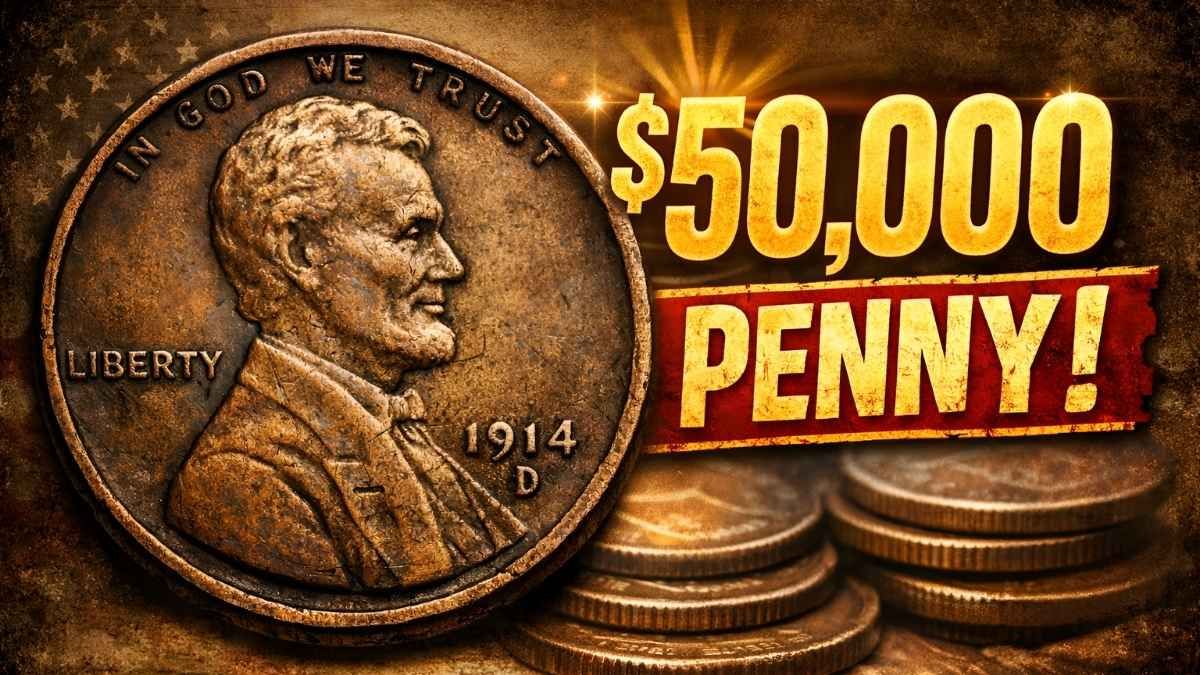
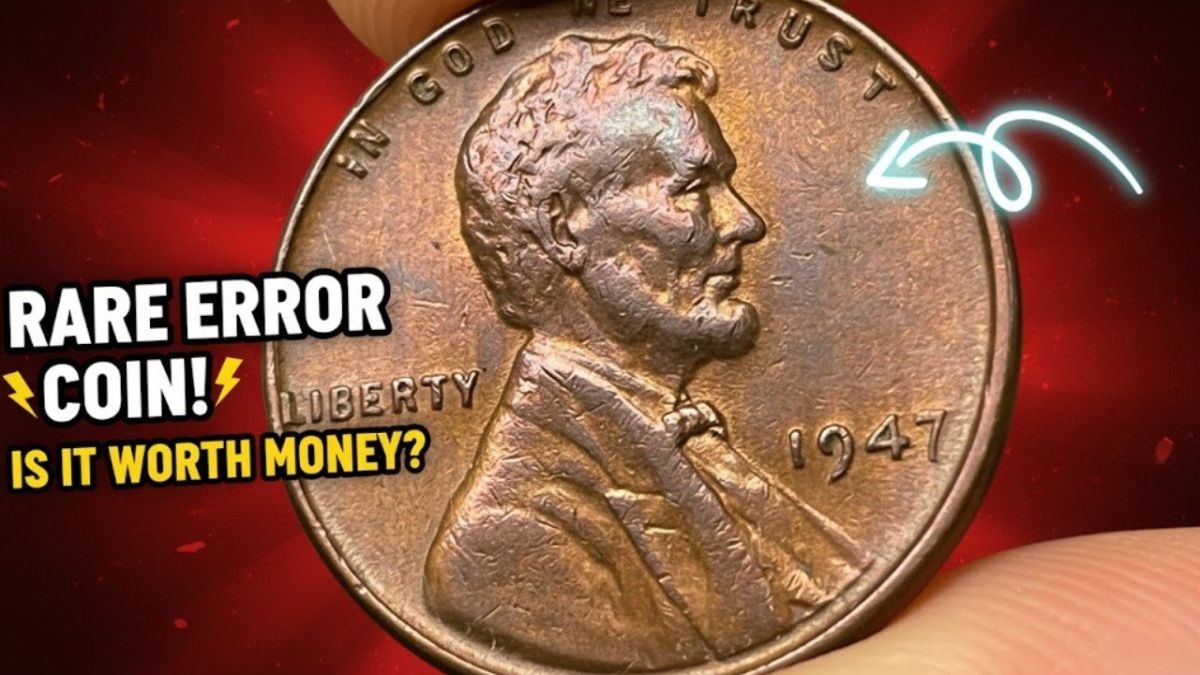
Several factors determine the value of a wheat penny. Condition, or coin grade, is the most important. Coins in mint state, which show no wear and retain their original details, can be worth many times more than worn examples. Rarity is another key factor. Certain low-mintage pennies, such as the 1909-S VDB and 1914-D, consistently rank among the most valuable. Minting errors and unique varieties, including doubled dies, can also drive prices higher. Broader economic trends, such as inflation and growing interest in tangible assets, have helped boost the overall market for collectible coins.
The Role of Professional Grading
Over the last decade, professional grading has become critical in determining wheat penny values. Organizations like PCGS and NGC authenticate coins and assign grades based on strict criteria. A certified Mint State 65 wheat penny can sell for far more than the same coin in ungraded condition. Professional grading provides confidence to buyers and sellers, reduces disputes, and establishes a transparent market for serious collectors. Graded coins have become the standard for evaluating quality and value in modern numismatics.
Auction Highlights and Record Sales
Rare wheat pennies have achieved remarkable prices at auctions over the past ten years. Coins in exceptional condition, like the 1909-S VDB and 1914-D, have fetched tens of thousands of dollars. These record sales not only demonstrate the enduring appeal of wheat pennies but also serve as benchmarks for the market. Collectors often use auction results to predict future trends and determine the relative value of their own coins.

Common Wheat Pennies and Everyday Collecting
While rare coins generate headlines, most wheat pennies remain affordable. Circulated examples from the 1940s and 1950s are often worth only a few cents, making them accessible to beginners. These common-date coins provide an entry point into the hobby and allow collectors to assemble complete sets without major financial investment. The stability of their values over the past decade has made them reliable for building and enjoying a collection.
Investment Potential and Community Influence
Beyond hobbyist interest, wheat pennies are also viewed as solid investments. Rare coins have shown steady appreciation and can serve as tangible assets in a diversified portfolio. Online communities, forums, and social media groups have strengthened the collecting culture. Over the past ten years, these platforms have helped collectors share information, compare prices, and discover rare coins. The collective knowledge of online communities has supported market transparency and contributed to the sustained interest in wheat pennies.
Challenges and Looking Ahead
Despite their popularity, collectors must remain cautious. Counterfeits and altered coins can pose risks, particularly for high-value varieties. Market fluctuations may temporarily affect prices, but wheat pennies have historically shown resilience. Looking forward, advancements in grading technology and digital marketplaces may further enhance security and accessibility. For collectors and investors, wheat pennies are likely to remain a treasured part of numismatics for years to come.
Wheat pennies have captivated collectors for over a century, and their values over the past ten years reflect both historical significance and investment potential. From affordable circulated coins to rare varieties that command extraordinary prices, wheat pennies offer opportunities for collectors at every level. Their combination of beauty, rarity, and historical importance ensures that they will remain a cornerstone of coin collecting, cherished by generations of enthusiasts.
Disclaimer: This article is for informational purposes only. Wheat penny values are estimates based on market trends, auction results, and professional grading standards. Actual prices may vary depending on coin condition, rarity, and collector demand. Collectors should consult certified numismatic professionals before buying or selling high-value coins.