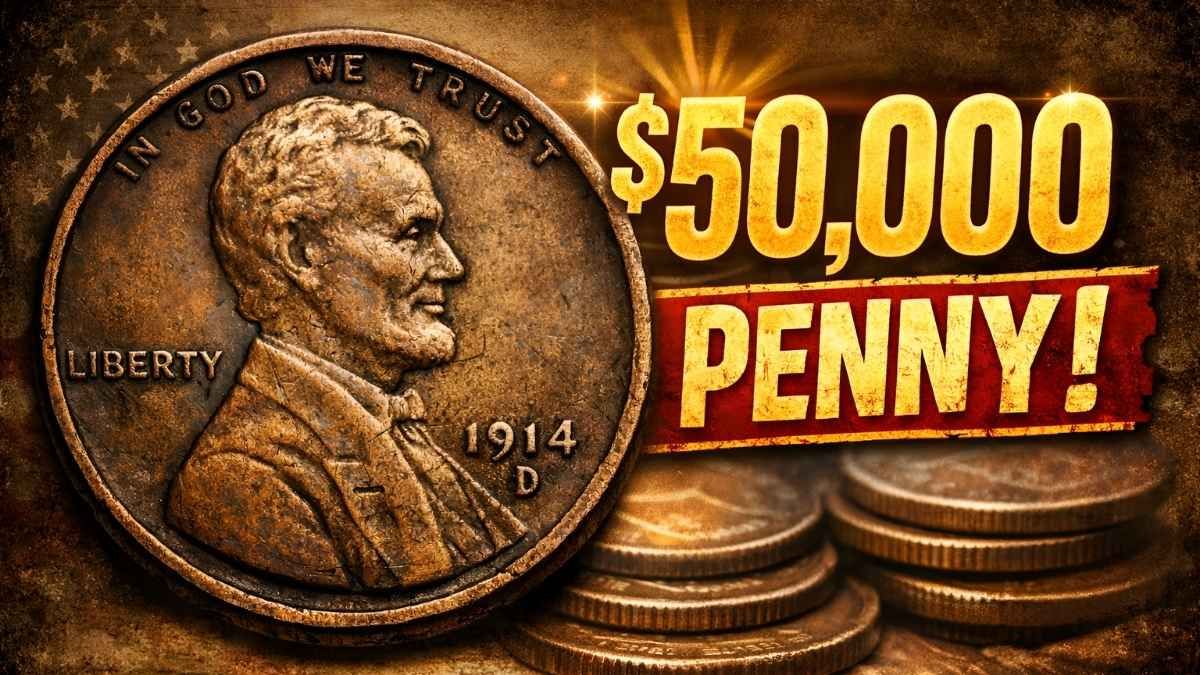
Lincoln Wheat Penny Worth $50K:Coins are more than just money—they are small pieces of history. Each coin tells a story about the time it was made, the people who designed it, and the culture it represents. Among American coins, the Lincoln Wheat Penny holds a special place. Minted between 1909 and 1958, it is one of the most collected coins in the United States. While most Wheat Pennies are worth only a few cents, some rare varieties can be valued at thousands of dollars, with a few extraordinary examples reaching as high as $50,000. The idea that such a coin could be found in everyday change makes coin collecting exciting for beginners and experienced collectors alike.
The Origins of the Lincoln Wheat Penny
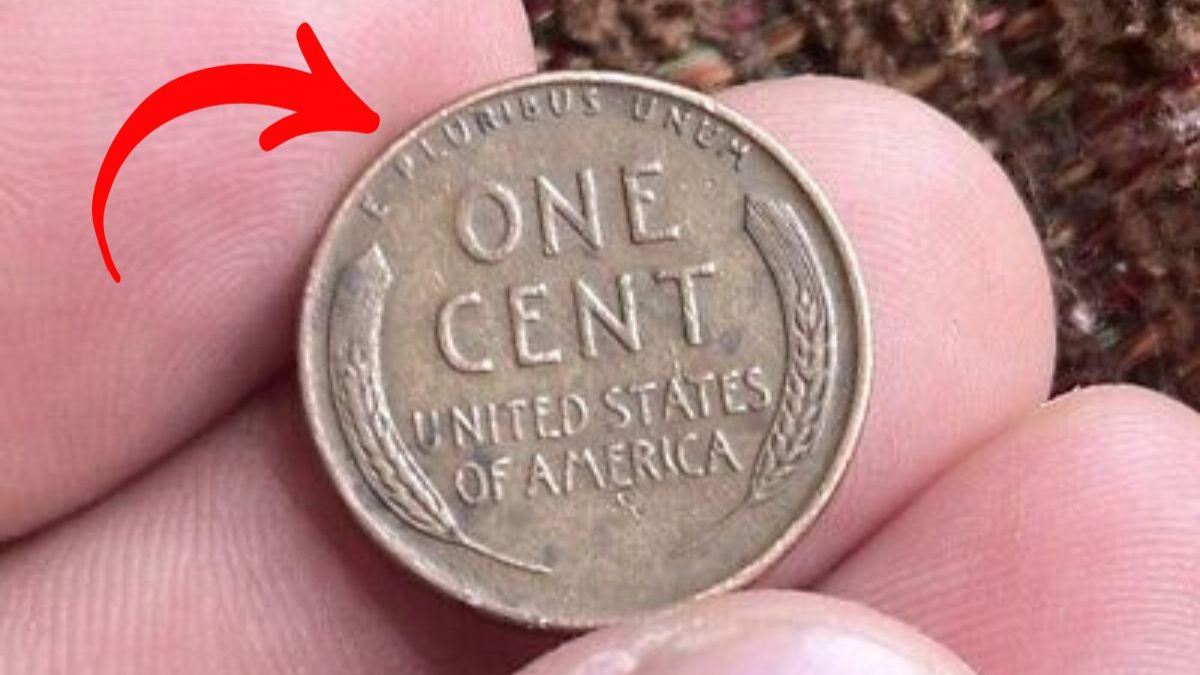
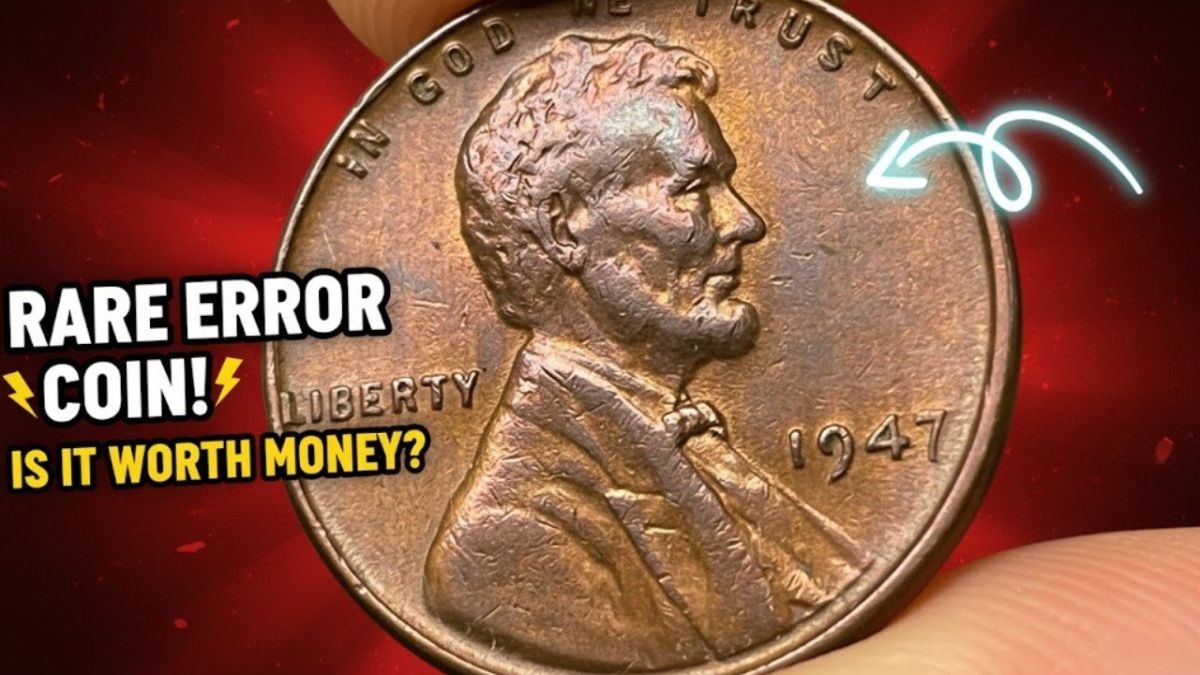
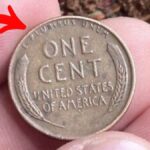
The Lincoln Wheat Penny was introduced in 1909 to honor the 100th anniversary of Abraham Lincoln’s birth. It was the first U.S. coin to feature a real person. Designed by Victor David Brenner, the obverse of the coin shows Lincoln’s portrait, while the reverse displays two wheat stalks framing the words “ONE CENT.” This iconic design remained in circulation until 1958, when the reverse was replaced by the Lincoln Memorial. Its long history and distinct design make the Wheat Penny a favorite for collectors, representing both artistry and American heritage.
Why Some Wheat Pennies Are Valuable
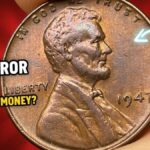
Not every Wheat Penny is rare. Their value depends on several key factors. Coins struck in low-mintage years, those with unusual materials, or coins with minting errors are especially prized. For example, the 1943 bronze penny, mistakenly made on a copper planchet when most pennies were struck in steel, is one of the most famous and valuable examples. Other sought-after varieties include coins with doubled die errors, missing or unusual mint marks, and exceptionally well-preserved examples. These rare features can transform an ordinary penny into a collectible worth thousands of dollars.
Discovering a $50,000 Penny
Stories of Wheat Pennies worth $50,000 being found in everyday change capture the imagination of collectors. While these discoveries are uncommon, they are possible because many valuable coins remain unnoticed in circulation. Coin jars, piggy banks, and inherited collections may contain hidden treasures. The idea that an ordinary-looking penny could hold extraordinary value excites both casual hobbyists and professional collectors. It also illustrates that careful observation and knowledge can turn an everyday coin into a significant find.
Identifying Valuable Wheat Pennies
For beginners, learning to identify valuable Wheat Pennies requires attention to detail. Start by checking the coin’s year and mint mark. Highly sought-after dates include 1909-S VDB, 1914-D, and 1943 bronze. Mint marks, such as “S” for San Francisco or “D” for Denver, often indicate rarity. Condition is equally important—uncirculated coins or those with minimal wear are far more valuable than heavily circulated ones. Even small differences in detail or strike quality can significantly impact a coin’s worth.
Everyday Change Can Hold Hidden Treasure
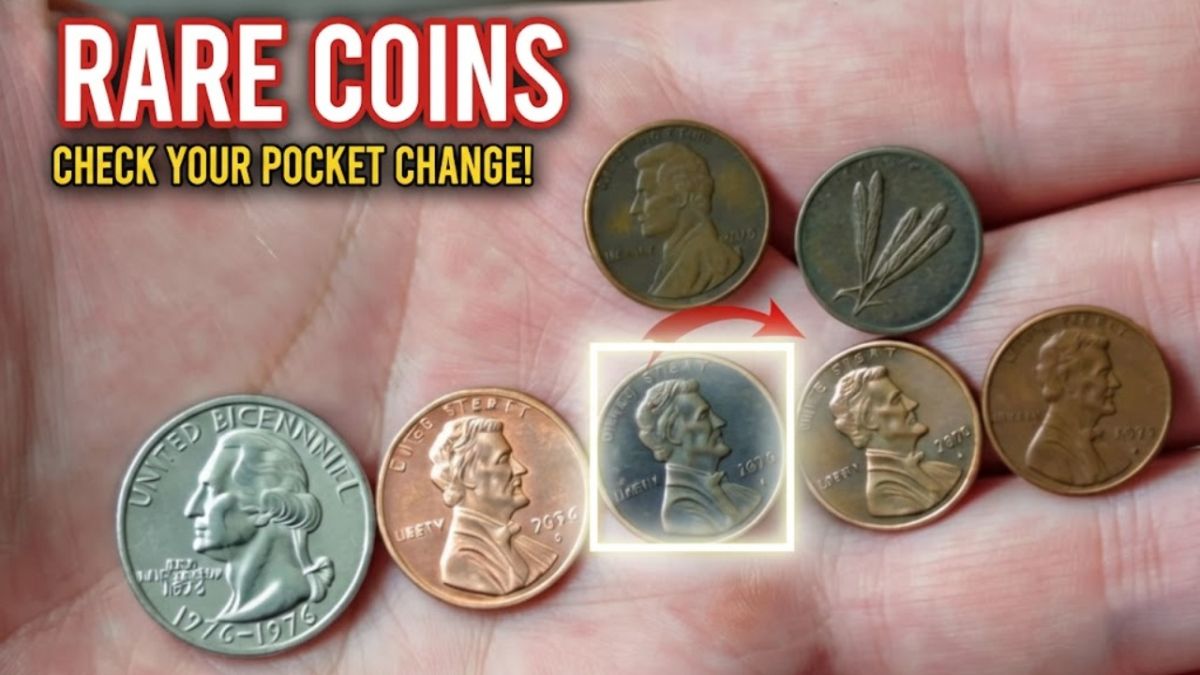
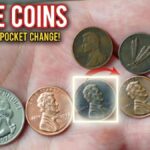
The possibility of finding a valuable penny in everyday change is both realistic and inspiring. Many people overlook coins, assuming they have little value. Yet even a small collection of spare coins may include rare finds. Paying attention to details and learning what to look for can uncover hidden treasures that have remained unnoticed for decades. The excitement of discovery is one of the aspects that keeps collectors engaged in the hobby.
Collectors, Auctions, and Market Value
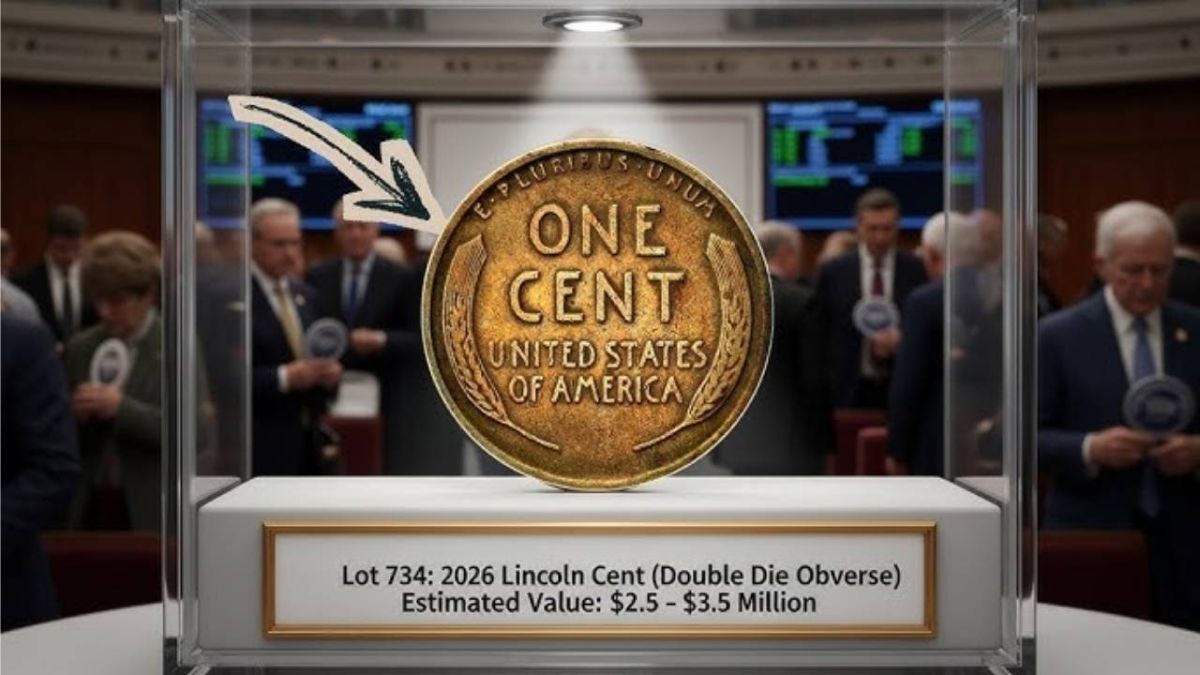
Collectors and auctions play an essential role in determining the value of rare coins. Auctions often set record prices for unusual Wheat Pennies, with competition among collectors driving values higher. While most Wheat Pennies are worth just a few cents, rare examples can attract thousands of dollars at sale. Over time, the demand for these coins has helped maintain and even increase their value, making them not just collectibles but also potential investments.
Coin Collecting Beyond Monetary Value
Coin collecting is about more than just money. It connects people to history, design, and the economy of past eras. Each coin reflects the time in which it was minted. The Lincoln Wheat Penny, in particular, honors Abraham Lincoln and represents a key period in American history. Collecting these coins teaches patience, attention to detail, and appreciation for craftsmanship, while offering the possibility of discovering something truly valuable.
A Penny Worth More Than Its Face Value
The discovery of a Lincoln Wheat Penny worth $50,000 in everyday change shows the hidden potential in coins we often overlook. While most pennies are common and inexpensive, rare varieties reveal the extraordinary value that can be found in ordinary objects. For beginners and collectors alike, the lesson is clear: careful observation and knowledge matter. Even the smallest coin can hold a remarkable story and, in some cases, a remarkable price. Coin collecting combines history, discovery, and the thrill of finding treasures in the everyday.
Disclaimer: This article is for informational purposes only. The estimated values of Lincoln Wheat Pennies are based on recent market trends and auction records. Actual prices may vary depending on coin condition, rarity, and demand. Always consult a certified numismatic professional before buying or selling high-value coins.