Complete Lincoln Penny Value Guide:The Lincoln Penny is one of the most recognizable coins in American history. First issued in 1909 to honor President Abraham Lincoln’s 100th birthday, it became the first U.S. coin to feature a real person. Over more than a century, the Lincoln Penny has experienced changes in design, metal composition, and minting techniques. For collectors, it offers not only a glimpse into American history but also opportunities to find rare and valuable coins. This guide explains the key varieties, mint marks, and trends in Lincoln Penny values for 2026.
Origins and Early Design
The Lincoln Penny replaced the Indian Head Cent in 1909. Designed by Victor David Brenner, the coin featured Lincoln’s portrait on the front and two wheat stalks on the back, symbolizing prosperity. This design, known as the Wheat Penny, remained in circulation until 1958. In 1959, to mark Lincoln’s 150th birthday, the reverse was changed to the Lincoln Memorial. Later, in 2009, the U.S. Mint issued special designs to celebrate Lincoln’s bicentennial, followed by the Union Shield design introduced in 2010. Each of these changes reflects a chapter in both U.S. history and coin design.
Key Eras of Lincoln Pennies
Collectors generally divide Lincoln Pennies into four main eras. The Wheat Pennies, minted from 1909 to 1958, include the most historically significant and valuable examples. Memorial Pennies, from 1959 to 2008, feature the Lincoln Memorial on the reverse and include some notable errors but are largely common. Bicentennial Pennies issued in 2009 display four different reverse designs commemorating Lincoln’s life stages. Finally, Union Shield Pennies, minted from 2010 to the present, feature a shield design symbolizing Lincoln’s role in preserving the nation. Understanding these eras helps collectors identify the historical context and potential value of each coin.
Rare and Valuable Lincoln Pennies
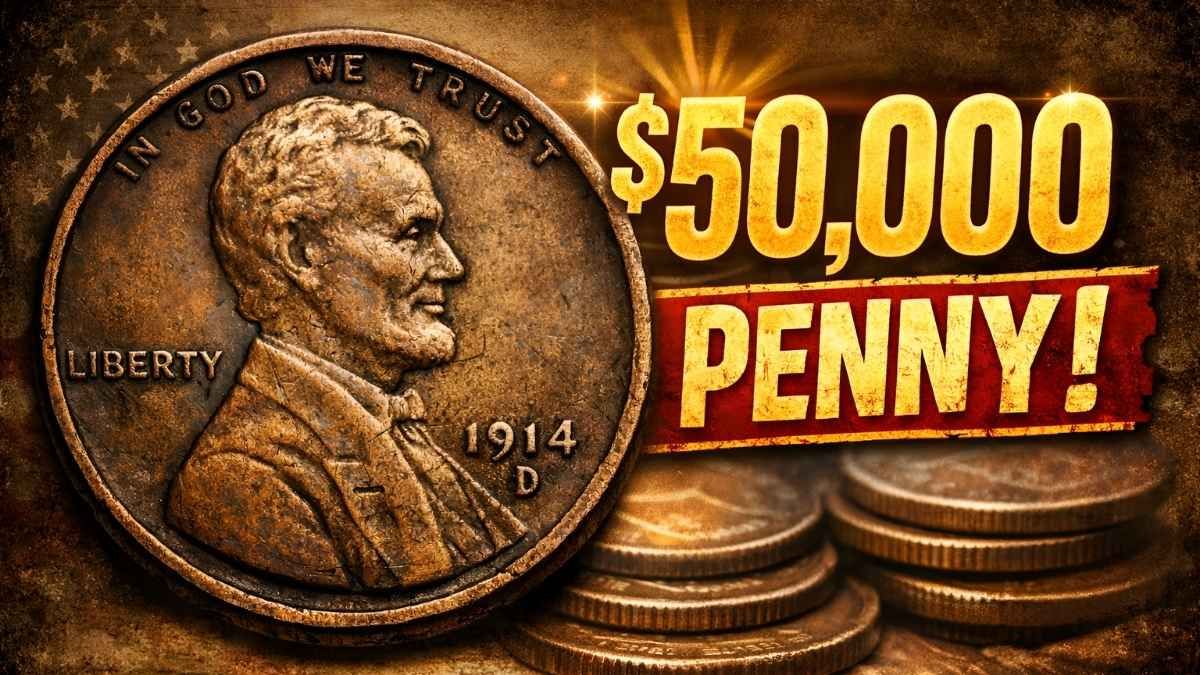
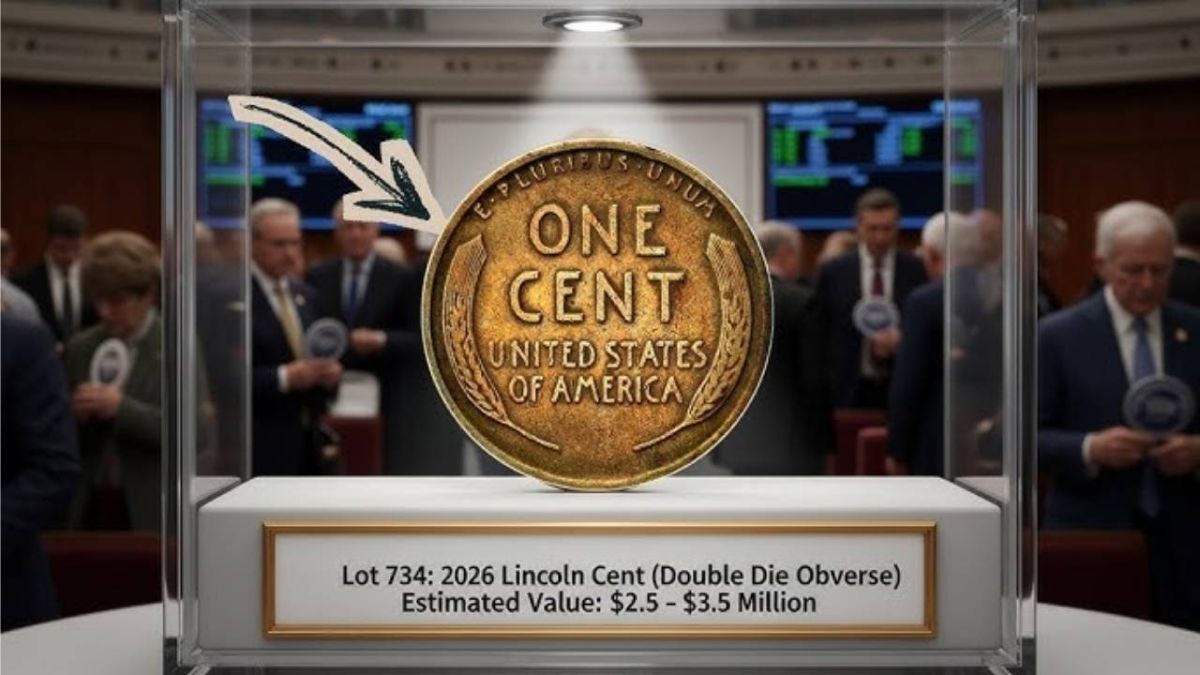
Certain Lincoln Pennies are highly prized among collectors due to rarity, minting errors, or historical significance. The 1909-S VDB is a first-year coin from the San Francisco Mint, featuring the designer’s initials “VDB” prominently on the reverse, and is extremely rare. The 1914-D, minted in Denver, is another low-mintage key date that commands high value. The 1922 No D variety, lacking a Denver mint mark, is sought after for its scarcity. The 1943 Copper Penny, mistakenly struck on bronze instead of steel, is one of the most famous and valuable Lincoln Pennies. Additionally, the 1955 Doubled Die Penny, which shows dramatic doubling of the date and lettering, remains a favorite among collectors.
Identifying Valuable Pennies
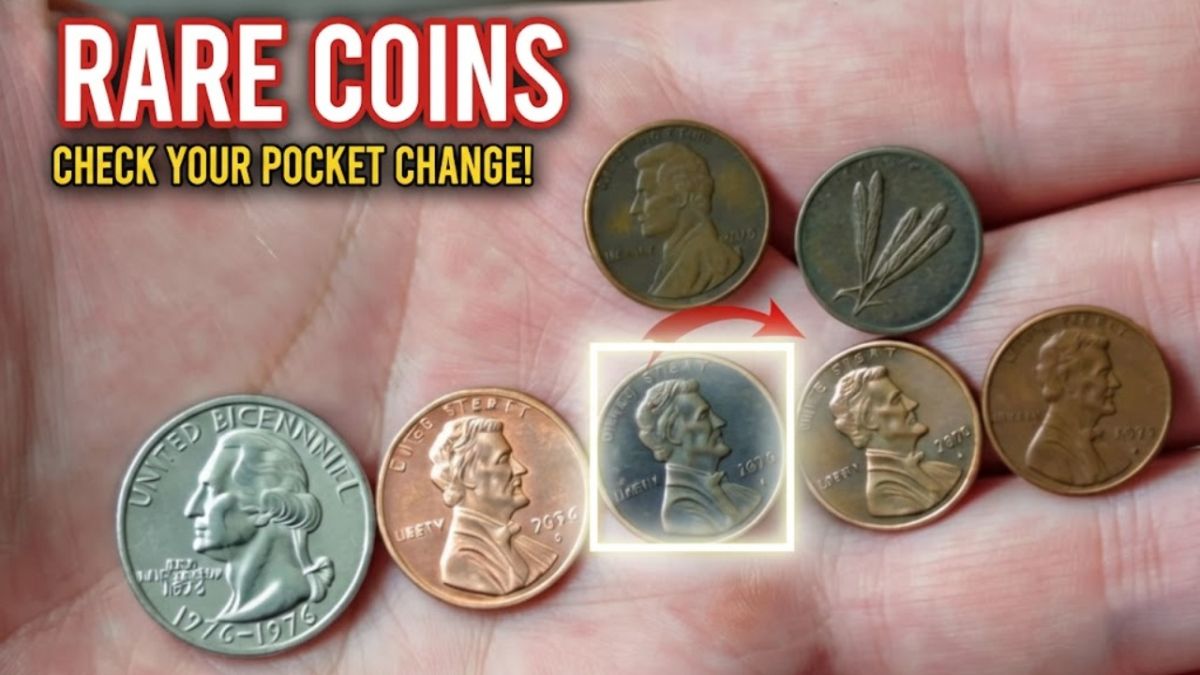
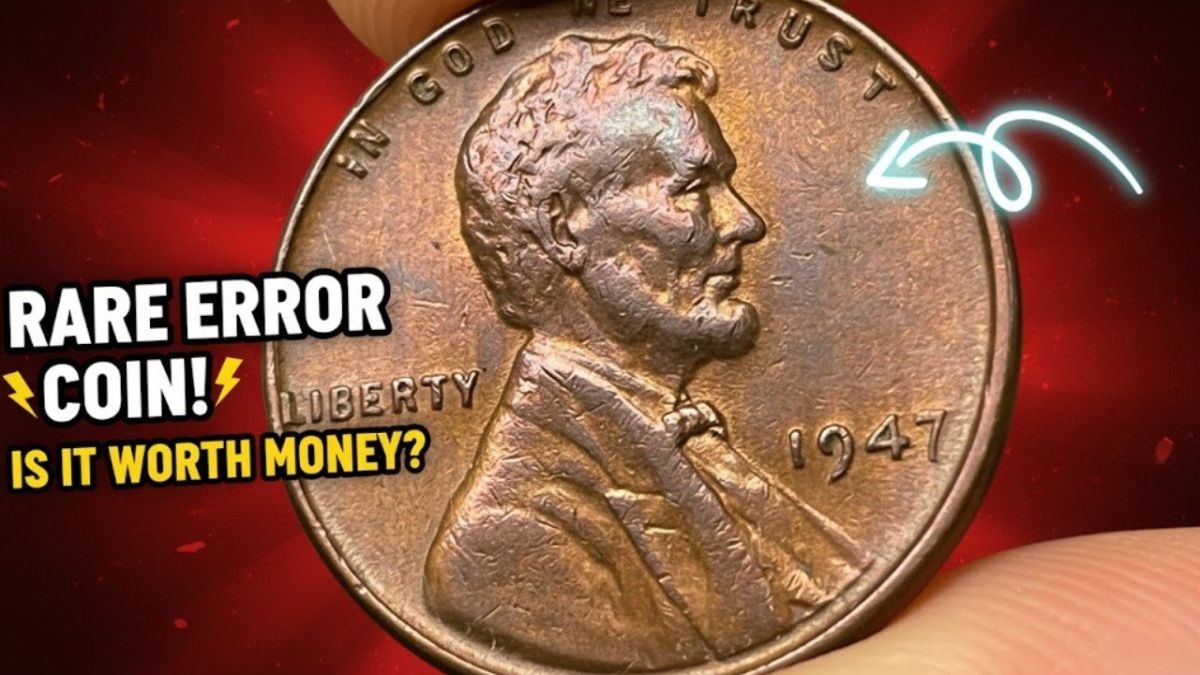
Collectors can identify rare Lincoln Pennies by examining several features. Mint marks, located below the date, indicate the mint of origin and can significantly affect a coin’s value. Errors such as doubled dies, missing mint marks, off-center strikes, or unusual letter spacing often increase a coin’s worth. Condition is also critical, with uncirculated or proof coins commanding much higher prices than worn examples. Finally, metal composition can influence value, particularly for unusual years like 1943, when steel pennies were standard, or 1982, when the mint transitioned from copper to zinc.
The Role of Coin Grading
Professional grading has become essential for serious collectors. Organizations like PCGS and NGC assess coins for condition, authenticity, and rarity. Coins graded at higher levels, such as Mint State 67 or above, can sell for significant premiums. Certification provides confidence in buying and selling, ensuring that collectors and investors know exactly what they are purchasing. Grading is particularly important for rare Lincoln Pennies, where subtle differences can mean tens of thousands of dollars in value.
Market Value Trends in 2026
In 2026, the market for Lincoln Pennies remains strong. Common-date coins hold modest value, but rare varieties and error coins continue to attract high bids at auctions. Key examples like the 1909-S VDB, 1914-D, 1943 Copper Penny, and 1955 Doubled Die maintain enduring appeal and often reach thousands or even hundreds of thousands of dollars depending on condition. Collector interest is fueled by both historical significance and the thrill of discovering unusual coins in circulation or personal collections.
Collector Insights
Collectors often see Lincoln Pennies as more than currency—they are pieces of history and symbols of Lincoln’s enduring legacy. Some enthusiasts focus on building complete sets, including proof and error coins, while others seek out specific rare varieties. The coin’s accessibility and broad historical appeal make it suitable for beginners and experienced numismatists alike. Its combination of artistry, history, and potential value ensures that the Lincoln Penny remains a cornerstone of American coin collecting.
The Lincoln Penny offers a fascinating journey through history and numismatics. While many coins are common and affordable, rare varieties, minting errors, and high-grade specimens command extraordinary value. Coins like the 1909-S VDB, 1943 Copper Penny, and 1955 Doubled Die highlight the depth of collecting opportunities. By understanding eras, mint marks, and key characteristics, collectors can identify treasures in circulation or existing collections. In 2026, the Lincoln Penny continues to captivate both collectors and investors, combining historical significance with the excitement of discovering valuable coins.
Disclaimer: This article is for informational purposes only. Lincoln Penny values are estimates based on current market trends, auction results, and professional grading standards. Actual values may vary depending on coin condition, rarity, and collector demand. Always consult a certified numismatic professional before buying or selling high-value coins.